From First Play to Repeat Viewing: Planning a Branded OTT Service That Works for Its Audience
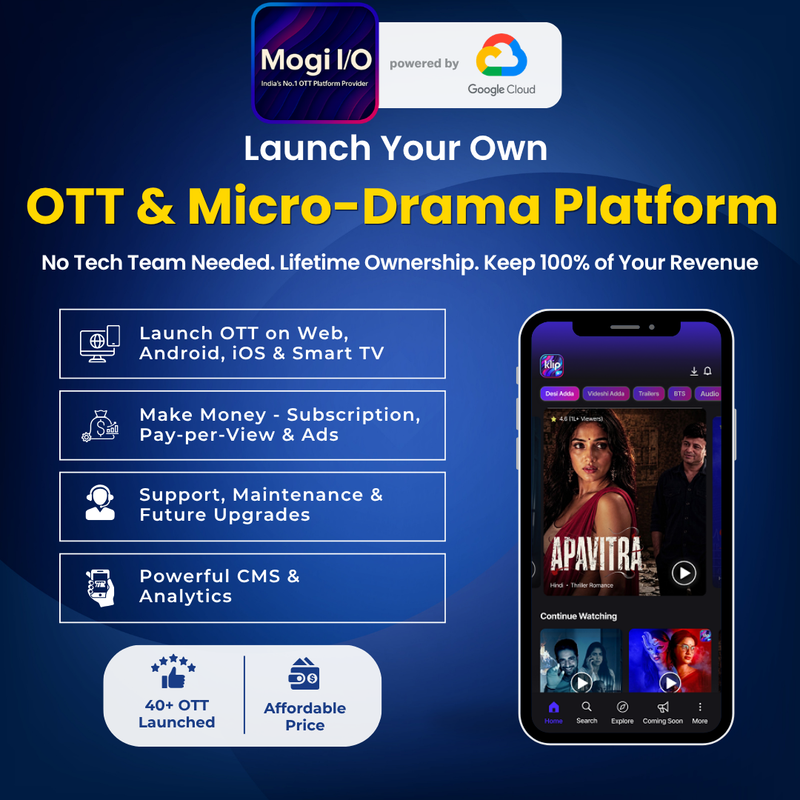
The content catalogue is often the first measure of a streaming service, but viewers experience much more than the videos themselves. Their journey involves registration, exploring categories, selecting content, starting playback and deciding if they will come back. Every stage can either encourage further engagement or give them a reason to abandon the service. For businesses developing a branded streaming service, planning this complete journey is as important as selecting the underlying technology.
White label technology can supply an established foundation for distributing video content using an organisation's branding. Even so, obtaining streaming technology does not by itself produce a valuable viewing experience. The real challenge is matching platform capabilities to audience expectations, content operations and financial constraints. A sensible strategy considers what viewers need first, then determines the infrastructure necessary to deliver that experience.
Define the Viewing Need Before Choosing Features
Prior to selecting technology, identify the reasons an audience would prefer the proposed streaming service. An educational audience might want structured lessons that are easy to resume. Regional entertainment viewers may prioritise recognised languages and a carefully organised content selection. People watching a live competition may place the greatest importance on reliable viewing at the scheduled time.
These audience requirements shape virtually every aspect of the service. A searchable lesson library needs different organisation from a schedule of live events. Short episodes designed for mobile viewing create different browsing expectations from lengthy documentaries. Platform features should address these requirements instead of being added simply because competitors provide them.
A sensible initial exercise involves mapping out an ordinary viewer's session. Examine what attracts the audience, what viewers anticipate finding and what would make their time on the service rewarding. The exercise establishes clear criteria for comparing video platform options while determining the features that are necessary for the first version.
Clarify How OTT Platforms Differ from Basic Video Hosting
When companies want to understand what an OTT platform actually is, their main concern is often the difference between operating a complete streaming platform and merely making video files available. OTT refers to over-the-top content delivery: content is delivered to audiences over the internet instead of conventional cable or satellite networks.
Video hosting supplies the underlying infrastructure for storing and distributing video. Depending on the service, it may also include processing, embedded players and management tools. A complete OTT platform combines video distribution with viewer accounts, content discovery, access permissions, branded apps and payment functionality.
The distinction matters because different businesses need different levels of infrastructure. An organisation distributing occasional training clips may have little need for a standalone entertainment-style application. An organisation offering paid viewing may require a substantially broader customer-facing service. Selecting the appropriate approach begins by examining how the content, audience and provider are expected to interact.
Make the First Viewing Session Easy to Complete
Someone accessing the service for the first time should quickly recognise what it offers before making a substantial commitment. Accurate programme descriptions, meaningful content categories and simple access details make the available offering easier to understand. Ambiguous category names and confusing payment requirements can discourage viewers before they begin watching.
Evaluate the amount of information genuinely necessary during registration. Any further registration requirement should have a practical reason. Where accounts are necessary, the journey should explain what the viewer gains and what happens next. Payment-based viewing should present the offer clearly, including the access period and applicable limitations.
A first-time session should guide viewers towards a meaningful content choice. A new subscriber who reaches an empty-looking home screen or an unfamiliar catalogue may struggle to choose. Relevant editorial recommendations, clearly identified categories and precise descriptions can improve content discovery. These choices involve editorial judgement and user experience design, not just technical development, and they deserve attention before the service opens to a wider audience.
Test Playback Under Ordinary Conditions
A smooth presentation using high-speed internet shows only one aspect of actual playback. People may watch on older phones, shared household connections or devices with limited processing capacity. Testing should reflect the conditions the intended audience is likely to encounter.
Adaptive bitrate technology can adjust video quality according to changes in connection performance, although the feature itself cannot guarantee acceptable playback performance. The evaluation should consider playback startup speed, buffering interruptions and the suitability of image quality for each type of material. An educational presentation featuring small written details may demand greater visual clarity than a straightforward video of someone speaking.
Real-time viewing requires additional preparation because technical issues may affect viewers immediately. Pre-event testing should examine the production signal, access restrictions and the final viewer experience. Evaluating the entire streaming chain can reveal faults that individual component tests might overlook.
Organise a Content Catalogue for Easy Discovery
Content organisation becomes harder as a library grows. A limited library may only require general categories, whereas an extensive catalogue benefits from standardised titles, summaries, language details and connections between related content.
This work is easier when editorial rules exist from the beginning. Establish consistent descriptions for series, seasons, individual episodes and independent videos. Establish who checks cover images, captions and publication dates. Inconsistent content Video hosting details may make worthwhile programmes harder to locate even if the platform's search tools operate properly.
An online video app should also help viewers continue what they started. Relevant functions could involve remembering viewing progress, saving chosen content or displaying episodes in a logical order. The priority is continuity: people returning after an extended break should easily find their previous position and continue watching without having to remember every detail of the last session.
Choose Payment Arrangements That Match Content Value
Subscription models work for certain video services, although they are not always the most suitable initial choice. A library that receives regular additions may justify a continuing membership arrangement. For a particular event, a single-payment option may provide a clearer offer. Educational material might be sold as a defined collection rather than unrestricted access to everything.
Advertising introduces another set of decisions. The organisation needs to assess whether advertising breaks are appropriate for its audience and whether the required operations can support that arrangement. Offering advertising alongside paid viewing may confuse users if the distinctions between packages are not explained.
Before choosing a white label SaaS solution, businesses should examine whether it supports their planned revenue model. Verify that the necessary payment options, viewing durations and user access rights are available. It is also important to establish procedures for unsuccessful transactions, subscription cancellations and refunds. Such routine issues affect customer confidence and administrative demands, despite often attracting less attention than the checkout interface.
Translate Platform Pricing into Real Viewing Costs
A platform subscription is only one part of operating expenditure. Costs for content storage, video conversion, streaming traffic, application support and other functions may either be bundled into allowances or billed individually. Looking only at the displayed price while ignoring usage allowances can create an unrealistic picture of total costs.
Prepare several practical estimates of how the service might operate. One example may assume a compact video collection with moderate viewing demand. A second might account for extended viewing periods or a substantial rise in people watching concurrently. A live event may create a concentrated delivery requirement that differs substantially from steady on-demand use.
The purpose is to recognise which usage patterns make expenditure increase or decrease. Determine how consumption is calculated, which functions incur fees and how additional usage is billed. An introductory package or free OTT platform might support early experiments, but whether it is appropriate depends on the service's real demands. A financially practical plan considers projected audience activity alongside every operating expense instead of focusing exclusively on software subscriptions.
Understand the Difference Between Brand Customisation and Service Control
Replacing a logo and adjusting colours may create a recognisable appearance, yet visual customisation does not always mean the organisation controls every service function. Companies should review which application screens, platform capabilities and operating procedures are adjustable and which remain tied to the technology provider's standard system.
Application ownership and publishing arrangements also deserve attention. Clarify which party handles new versions, how changes are submitted and who responds to problems affecting particular devices. The usefulness of a white label platform is influenced by how effectively operational duties are assigned between the business and its provider.
Similar attention should be given to viewer information. Determine what records the business can access, how those records can be exported and whether integrations meet its operational needs. These considerations separate a visually independent service from a platform that genuinely accommodates the organisation's ongoing administrative needs. Visual presentation and operational authority are both important, although each requires its own assessment.
Design Content Access According to Licensing Requirements
A video streaming organisation must understand precisely which content it has the right to provide. Licensing conditions may depend on location, viewing timeframes, device classifications and the commercial purpose of distribution. The platform must be capable of supporting the restrictions relevant to the catalogue.
User authentication, access authorisation and video protection are connected functions with separate purposes. Being logged into an account does not automatically mean a viewer can access all programmes. Similarly, making a payment might authorise viewing for a limited duration. These distinctions should be reflected consistently in the viewer experience.
Businesses should maintain realistic assumptions about what content protection can achieve. These measures may restrict improper access and discourage particular forms of misuse, although no single capability provides total protection against copying. An effective approach balances available protection features with licensing commitments while maintaining a manageable experience for legitimate viewers. Overly complicated restrictions may weaken the viewing experience the organisation intends to deliver.
Use Established Services as References, Then Set Your Own Priorities
A service with a defined audience may differentiate itself through its content choices, specialist understanding or availability of less accessible material. Its distinctive strength could involve a structured professional resource collection, logically arranged educational programmes or content serving a specific language group. The platform should be designed around such distinctive qualities.
Copying visible features without understanding their purpose can increase complexity. A content recommendation feature offers less value when fundamental catalogue organisation is unclear. Additional device applications may contribute little if the audience primarily watches on phones. Existing streaming services can demonstrate common audience behaviours, although the initial feature set should reflect viewer needs and the organisation's operational capacity.
Begin with a Practical Launch and Defined Operational Duties
Launching within a manageable scope gives the business an opportunity to understand genuine audience behaviour. Even with restricted content selection and device availability, the first launch needs to accommodate the entire viewer journey. Viewers still need to understand the offer, access the content and receive appropriate help when something goes wrong.
Assign responsibility for publishing, payment issues, playback investigation and application updates. Create a method for identifying whether a playback issue is limited to one device or indicates a larger delivery problem. Such responsibilities help avoid uncertainty when technical difficulties require cooperation between content operations and the technology provider.
Useful measurements should connect to practical decisions. Repeated playback failures suggest a different problem from viewers abandoning registration or finishing one programme without returning. Examining such trends helps identify whether the priority should be technical reliability, a more understandable offer or a stronger video library. Growth becomes easier to manage when each expansion responds to an observed need.
Conclusion
A successful branded OTT platform brings together worthwhile content, dependable viewing and well-organised daily operations. White label SaaS technology may offer a practical starting point, although organisations must still identify their viewers, structure their content libraries, evaluate expenses and establish operational ownership. Designing the service around a full viewing experience makes planning decisions clearer and more actionable. Start with a service people can understand and use reliably, then expand as actual viewing behaviour reveals where further investment will create value.